

Agra in Monsoon: Why the Rainy Season is Actually the Best Time to Visit

Okay so everyone keeps saying October to March is the best time to visit Agra. And yeah sure the weather is nice and all that. But honestly nobody talks about what Agra looks like when the monsoon hits. I went last July and I am still thinking about it.
The Taj Mahal in the rain is something else. Like completely different from the postcards. The white marble gets this soft glow when it is wet and the sky behind it turns this dramatic grey. I took maybe 300 photos and none of them do it justice.
Why Monsoon Agra is Underrated
First thing you notice is the crowds are way smaller. Like way smaller. In peak season you are basically shoulder to shoulder with tourists from everywhere. In July you actually get space to breathe and stand in front of the Taj without someone photobombing every single shot.
Hotel prices drop too. Significantly. We stayed at Taj Way by Jyoti Villa on Fatehabad Road and the rates in July were honestly a steal compared to what they charge in December. Same room same view same hospitality just cheaper. That is a win.

The Gardens Turn Absolutely Green
The Mehtab Bagh gardens across the river from the Taj. In winter they look a bit dry and dusty. In monsoon they are lush and green and the whole place smells amazing. The Yamuna river also has more water in it so the reflection of the Taj from Mehtab Bagh is actually visible properly.
Agra Fort also looks different in the rains. The red sandstone gets darker and richer looking. The courtyards have this misty feel to them. I spent almost two hours just wandering around and barely saw anyone else. It felt like I had the whole place to myself which is honestly rare for a UNESCO site.

Monsoon Street Food in Agra Hits Different
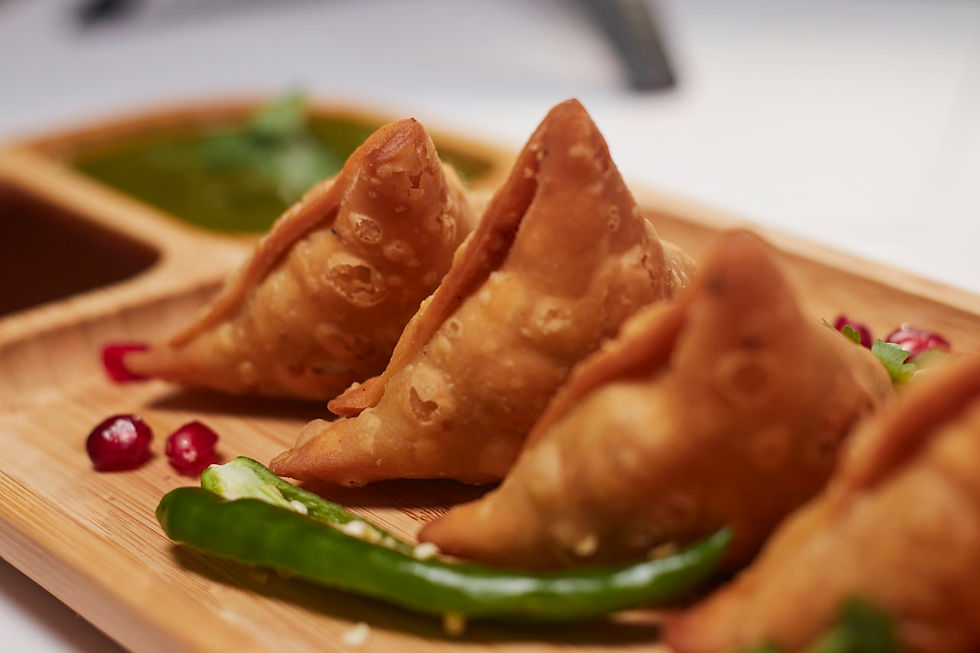
This is the part nobody writes about. When it rains in Agra the street food scene goes into overdrive. Every corner has someone frying pakoras or making hot chai. The smell of rain mixed with frying batter is genuinely one of the best things I have ever experienced.
Near Sadar Bazaar the vendors set up little covered stalls and everyone just huddles together eating and waiting for the rain to slow down. You end up talking to locals and other travelers in a way that just does not happen when the weather is perfect and everyone is rushing around.
Try the bedai with aloo sabzi in the morning. It is a local breakfast thing and in the monsoon season the vendors are less busy so they actually have time to chat and tell you about the dish. Also the petha shops are open and the fresh petha in monsoon is somehow better than any other time of year.
A Few Things to Keep in Mind
Not going to pretend it is all perfect. The roads can get waterlogged in heavy rain. Some of the smaller lanes near the old city get muddy. Carry a good waterproof bag for your camera and phone. A light rain jacket or poncho is useful but honestly an umbrella works fine too.
The Taj Mahal does not close in rain. It only closes on Fridays. So you can absolutely plan your visit around a rainy morning and get some genuinely stunning photos. Early morning right after a night of rain is the sweet spot. The marble is still wet and the light is soft.
Also book your hotel in advance even in monsoon. Places like Taj Way by Jyoti Villa on Fatehabad Road fill up on weekends even in July because it is close to the Taj and the price is good. Do not assume you can just show up and find a room.
What to Do on a Rainy Day in Agra
If it is raining heavily and you do not want to go out there are actually some good options. The marble inlay workshops near Taj Ganj are fascinating to visit. These are family run workshops where artisans do the same pietra dura work that is on the Taj Mahal itself. They are happy to show you around and explain the process. No pressure to buy anything.
The Agra Museum inside the Agra Fort complex is also worth a few hours. It has Mughal era artifacts and paintings that most tourists skip because they are too busy rushing through the fort itself. In monsoon when you have more time and fewer crowds it is actually a really good experience.
And honestly sometimes just sitting at a chai stall watching the rain fall on the old city streets is enough. Agra has this old world charm that comes out more in the monsoon than any other season. The pace slows down. People are more relaxed. It feels more real.
Quick Monsoon Agra Tips
Visit the Taj Mahal early morning right after overnight rain for the best photos
Carry a waterproof bag or cover for your camera and electronics
Hotel rates are 30 to 50 percent lower in July and August compared to peak season
Mehtab Bagh is stunning in monsoon and far less crowded than the main Taj complex
Try bedai and hot chai from street stalls for a proper local monsoon breakfast
Book your stay in advance even in off season as good budget hotels near Taj fill up on weekends
Agra in monsoon is not for everyone. If you need perfect blue skies and dry weather then stick to winter. But if you want fewer crowds, lower prices, greener gardens, dramatic skies over the Taj, and the best street food experience of your life then July or August is genuinely worth considering.
I would go back in a heartbeat. And I would stay at the same place on Fatehabad Road because the location is just too good to pass up. Walking distance to the Taj, easy access to the main sights, and the staff actually know the city well enough to give you real local tips.
Give monsoon Agra a chance. You might be surprised.


Comments